Smith-Corona EC1100 Script Font for Handmade Labels
The studio is quiet except for the hum of the cutting machine and the soft scratch of a pen against paper. I am currently staring at a blank kraft candle label, trying to find that perfect balance between professional polish and handmade warmth. This is often the most challenging part of product creation: finding a typeface that feels authentically personal without looking messy or amateur. When I loaded Smith-Corona EC1100 Script into my design software this morning, the blank label suddenly had a voice. It wasn't just text anymore; it was a signature. For makers and sellers who live in the space between digital design and physical craft, this font offers a specific kind of retro charm that transforms simple packaging into an experience.
Capturing Retro Warmth in Modern Packaging
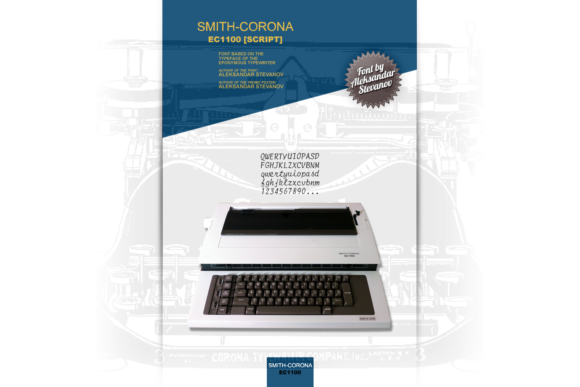
Smith-Corona EC1100 Script carries the distinct visual personality of vintage typewriters and mid-century correspondence. Unlike modern digital scripts that can sometimes feel too perfect or overly ornate, this typeface retains the charming imperfections of mechanical typing. The ink spread simulation and slight baseline variations give it a tactile quality that translates beautifully to physical products. When I applied it to my soy candle labels, the font immediately evoked a sense of nostalgia and artisanal care. It suggests that a real person sat down and typed this out, which is exactly the emotional connection we want to foster with customers browsing through a sea of mass-produced goods.
This retro handwritten font works exceptionally well for brands focusing on farmhouse aesthetics, vintage revival, or cozy cottagecore themes. However, its clean lines also allow it to fit into more modern minimalist designs when used as a contrasting accent. The key lies in its restraint; it is decorative enough to be interesting but structured enough to remain legible on small surfaces like jar lids, tea tags, or boutique stickers. In the crowded marketplace of handmade goods, typography is often the silent salesperson, and Smith-Corona EC1100 Script speaks in a warm, inviting tone that encourages customers to pick up the product and read the details.
Designing Stationery and Wedding Invitations
Beyond product labeling, this script amp category gem shines in the world of paper goods. While testing mockups for a seasonal greeting card collection, I found that Smith-Corona EC1100 Script provided the perfect hierarchy for short phrases and names. It serves as an excellent display font for headers like "Happy Birthday," "Save the Date," or "Thank You," while leaving ample room for supporting information. Because the letterforms are not excessively swashed or intertwined, they maintain high readability even when printed at smaller sizes on standard cardstock.
For wedding stationery designers, this typeface offers a unique alternative to traditional calligraphy. It feels intimate and personal, reminiscent of love letters from decades past. I recently used it for a welcome sign mockup where the couple wanted a non-traditional, literary vibe. Paired with a simple serif font for the logistical details, the script created a focal point that felt curated rather than generic. When designing printable wall art or digital planners, this font adds a layer of texture that flat vector graphics often lack. It bridges the gap between digital convenience and analog soul, making downloadable templates feel like cherished keepsakes.
Practical Tips for Cutting Machines and Small Text
As someone who frequently uses Cricut and Silhouette machines for vinyl decals and iron-on transfers, I have learned that not all script fonts are created equal for fabrication. Smith-Corona EC1100 Script is surprisingly cutter-friendly due to its consistent stroke width and lack of hairline fractures. However, there are practical considerations to keep in mind when moving from screen to substrate:
- Test Cut Size: Always perform a test cut at your intended final size. While the font is robust, extremely small text (under 0.5 inches) may require adjusting blade pressure or using premium vinyl to prevent lifting.
- Weeding Complexity: The retro texture includes subtle ink bleeds that add character digitally but can create tiny islands of vinyl physically. For intricate words, consider using transfer tape with higher tack or simplifying the design for mass production.
- Fabric Application: When applying this font to tote bags or shirts via heat transfer vinyl, ensure the textured edges adhere fully. A slightly longer press time at lower heat often yields better results than high heat that might scorch the material around the delicate serifs.
- Contrast is Key: On dark backgrounds, the vintage texture can sometimes get lost. Using a solid white or cream base layer beneath the script ensures the retro details pop against charcoal, navy, or forest green substrates.
Strategic Font Pairing for Brand Identity
A single font rarely tells the whole story. To maximize the impact of Smith-Corona EC1100 Script in your shop branding, thoughtful pairing is essential. Because this typeface has so much personality, it needs a supportive partner that provides stability and clarity. I consistently pair it with clean sans serif fonts for body copy, ingredient lists, and pricing. The contrast between the mechanical rhythm of the script and the geometric neutrality of a sans serif creates a sophisticated editorial look that elevates perceived value.
For example, on a botanical soap wrapper, I used Smith-Corona EC1100 Script for the scent name "Lavender & Sage" and a light-weight sans serif for the ingredients and weight. This combination ensures compliance with labeling regulations while maintaining aesthetic appeal. Alternatively, pairing it with a bold display font can create a striking poster-style layout for market signage or social media graphics. The goal is to let the script breathe; overcrowding it with other decorative elements diminishes its unique retro power. In brand identity design, consistency matters. Using this specific typeface across your packaging, thank-you cards, and Instagram highlights builds recognition and reinforces your shop’s handcrafted narrative.
Licensing and Commercial Use Considerations
Before integrating any new typeface into your product line, verifying licensing is a non-negotiable step for commercial sellers. Smith-Corona EC1100 Script is a creative asset that requires proper clearance for business use. Always check the specific license agreement included with your download. Some licenses cover physical end products like candles and shirts but may restrict usage in digital templates or SVG files sold to other crafters. If you plan to sell editable Canva templates or digital planner stickers featuring this font, ensure your license explicitly permits embedding or redistribution in that format.
Additionally, review the file formats included. Having access to OTF, TTF, and WOFF files ensures versatility across design software, word processors, and web platforms. Multilingual support is another crucial factor if you serve international customers or create bilingual packaging. Taking these administrative steps upfront protects your business and ensures that your creative expression remains sustainable. When we respect the work of type designers by adhering to licensing terms, we contribute to a healthier ecosystem for all makers and creatives.
Ultimately, typography is about communication. Smith-Corona EC1100 Script communicates heritage, care, and authenticity in a way that few modern fonts can replicate. Whether you are printing labels in your home studio, designing wedding suites for clients, or creating digital downloads for a global audience, this typeface brings a tangible sense of history to your work. It reminds us that behind every pixel and every cut line, there is a human touch. As you develop your next collection, consider how this retro handwritten font might not just label your products, but define the feeling your customers take home with them.